How to Actually Prevent Cauliflower Ear Before It Starts in BJJ
Quick Answer: Cauliflower ear is caused by repeated friction and impact that separates ear cartilage from its blood supply, and the single most effective prevention method is wearing proper-fitting ear guards consistently during live rolling — not just occasionally when you remember.
You’ve noticed your training partner’s ear looking a little puffy after a hard week of rolling, and you’re wondering if it’s too late to avoid the same thing. For most people, it’s not — but consistency matters more than most beginners realize.

What Actually Causes Cauliflower Ear
Repeated rubbing and pressure against the ear during grappling causes small blood vessels between the cartilage and the skin covering it to rupture, and blood pooling in that space (a hematoma) cuts off the cartilage’s blood supply. Without treatment, the cartilage can permanently reshape as the body forms scar tissue in place of the drained fluid.
Why Ear Guards Work — and Why Inconsistent Use Doesn’t Help Much
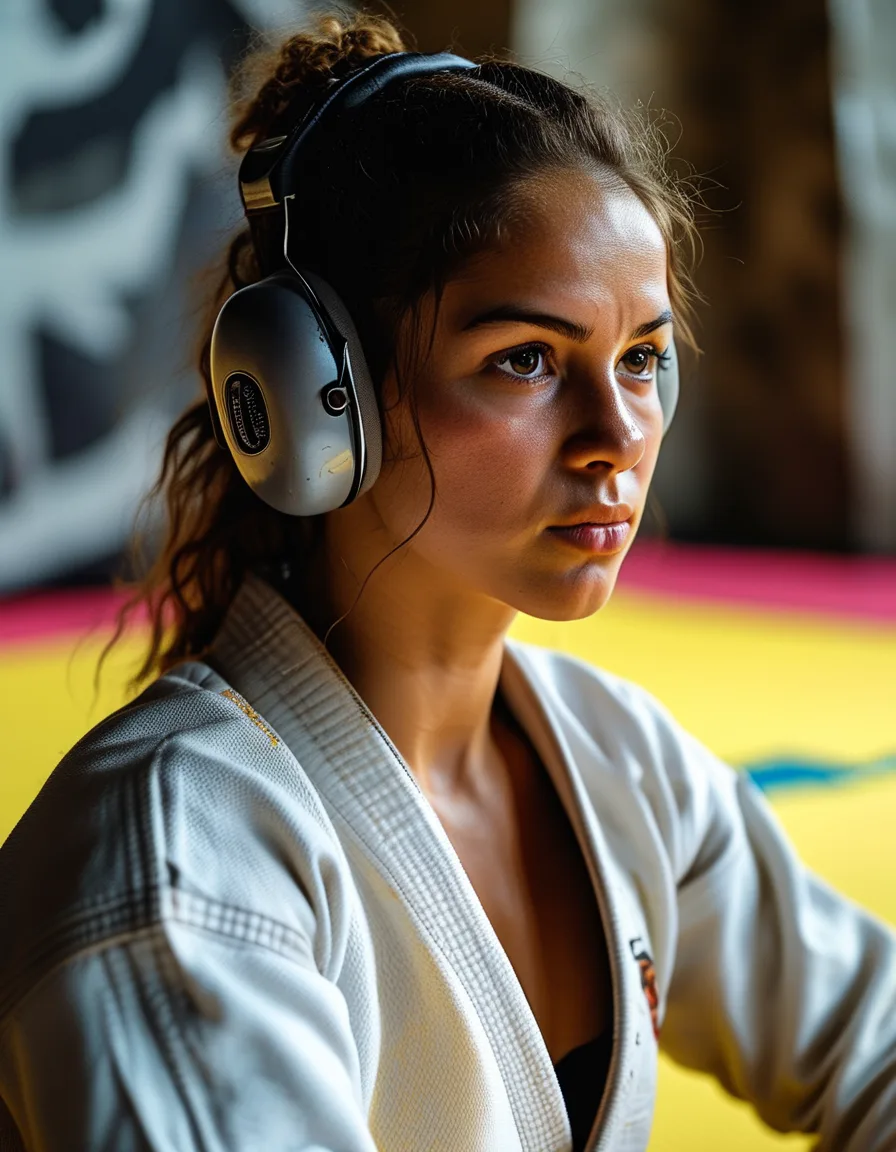
A well-fitted ear guard distributes pressure away from the ear’s cartilage and prevents the friction that starts the process, but wearing one only during hard rounds and skipping it during ‘light’ rolling misses the point — even moderate, repeated friction over months contributes to the same cumulative damage.
Fit Matters More Than Brand
An ear guard that shifts or gaps during scrambles provides far less protection than a snug, properly sized one — try guards on and move through a few grappling positions in the store or before buying online with a return policy, since fit varies noticeably between brands and even between individual ear shapes.
What to Do If You Notice Early Swelling
Any puffiness, warmth, or fluid buildup on the ear after training should be evaluated within 24-48 hours, ideally by a doctor who can drain the hematoma before it hardens — waiting even a few days significantly reduces how effective drainage is at restoring normal ear shape. This is general information, not medical advice; see a professional promptly.
Myth vs Fact: Cauliflower Ear
Myth: Cauliflower ear is unavoidable if you train BJJ long enough. Fact: Many long-term practitioners avoid it entirely through consistent ear guard use. Myth: Once it starts, there’s nothing to do. Fact: Early drainage by a medical professional within the first day or two frequently prevents permanent cartilage reshaping.
FAQ: BJJ Cauliflower Ear Questions, Answered
Can you still hear and grip properly while wearing an ear guard?
Yes — modern ear guards are designed with minimal bulk and shouldn’t meaningfully interfere with hearing coaching cues or with your training partner’s grips.
Is cauliflower ear dangerous, or just cosmetic?
It’s primarily cosmetic and generally not dangerous, though repeated untreated hematomas can occasionally lead to infection risk if the skin barrier is compromised.
Do ear guards need to be replaced often?
The padding compresses over months of regular use, so most guards benefit from replacement roughly every 6-12 months of consistent training, depending on frequency.
TL;DR:
- Cauliflower ear comes from repeated friction rupturing blood vessels under the skin
- Consistent ear guard use (not occasional) is the most effective prevention
- A snug, tested fit matters more than brand reputation
- Early swelling should be seen by a doctor within 24-48 hours
This is general information, not medical advice — but the prevention math is simple: a guard worn every session beats a guard worn only for hard rounds.
Keep Reading
This article is for general informational and styling purposes only. Fit, sizing, and product availability may vary.