Late Summer Mat Hygiene: Why Skin Issues Spike in August
Quick Answer: Fungal and bacterial skin infections spread fastest in warm, damp, high-contact conditions, and late August delivers all three at once - hot rooms, heavy sweat, and gyms filling back up after the summer lull. The three habits that matter most: shower within 30 minutes of training, wash your gi after every single session, and cover any open skin with a waterproof dressing before you step on the mat.
Every grappling gym has a late-summer stretch where suddenly three people have something on their forearm. It is not bad luck and it is not one dirty training partner. It is a seasonal pattern with a fairly short list of causes.
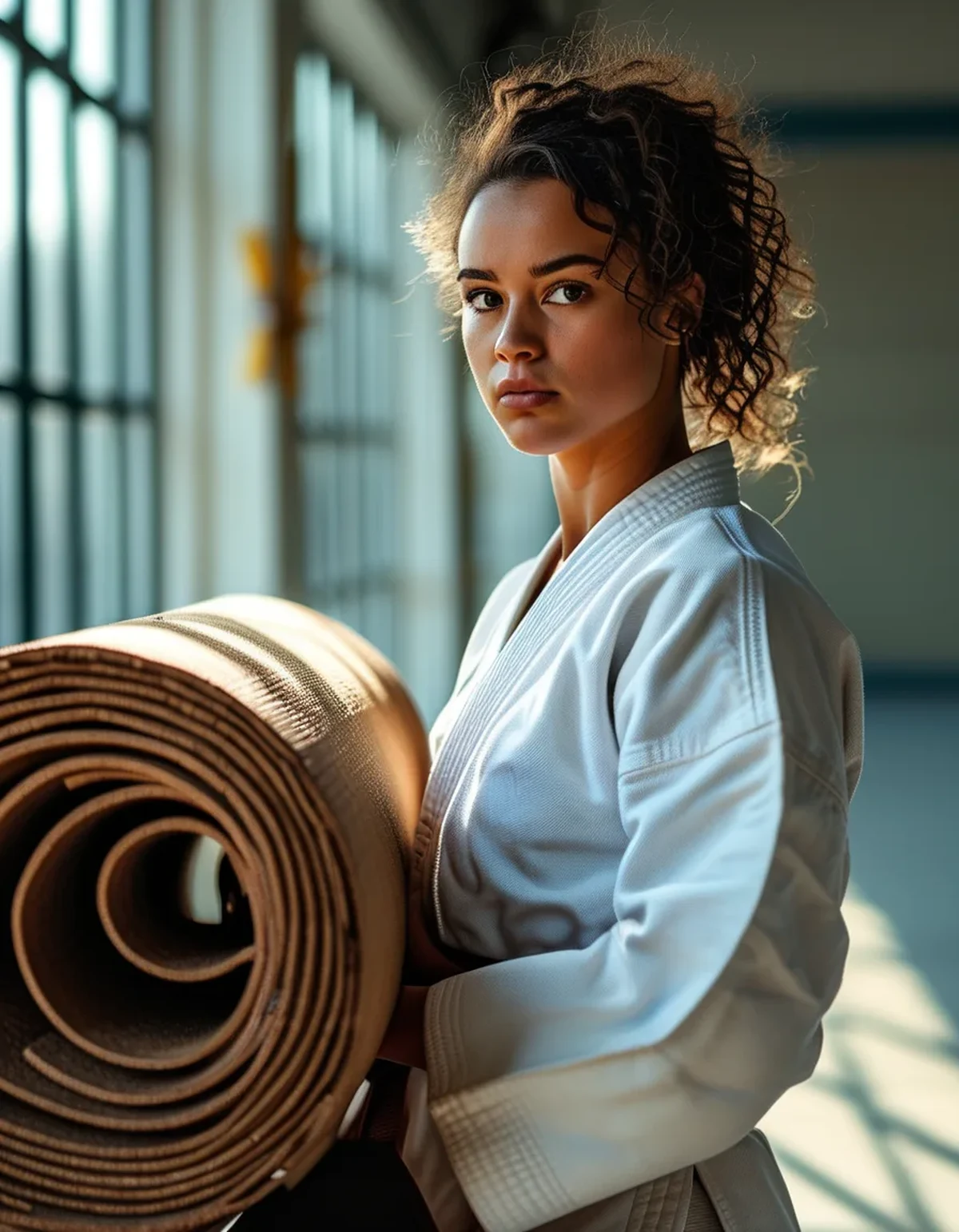
Why does late summer make it worse?
Fungi and bacteria that cause the common mat infections do best in warm, moist environments - which is a precise description of an August training room, a sweat-soaked gi, and the inside of a gear bag left in a car.
Three things compound in the same weeks.
Heat and humidity peak. Even air-conditioned gyms run humid in late summer because of the volume of sweat in the room and the outdoor air coming in with every door opening.
Attendance surges. Summer vacations end, competition season approaches, and class sizes jump. More partners per session means more contact points and a shorter chain between any one case and everyone else.
Skin is already compromised. A summer of sun exposure, chlorine, salt water, and shaving leaves more micro-breaks in the skin barrier than midwinter does, and the barrier is the actual defense.
Mat infections spread through direct skin-to-skin contact and through contaminated surfaces - mats, gis, towels, and shared gear. Every one of those transmission routes gets more efficient when it is warm and wet.
What are the habits that actually prevent it?
Ranked roughly by how much difference each one makes.
Shower within 30 minutes. This is the highest-value habit by a distance. Soap and water physically remove organisms before they establish. Driving home in a sweaty rash guard and showering an hour later gives them the window they need.
Wash your gi and rash guard after every session. Every one. Not two sessions, not the smell test. A damp gi in a bag is an incubator, and hanging it to dry does not solve it.
Cover open skin before class. Cuts, mat burn, scrapes, blisters, fresh tattoos. A waterproof dressing over any break in the skin is standard practice in every well-run gym, and it protects your partners as much as it protects you.
Empty the gear bag the same day. The single most common failure point is the bag itself - a warm, dark, humid container holding damp fabric for 24 hours.
Clip your nails short. Long nails cause the scratches that become entry points, on you and on everyone you roll with.
Wear sandals off the mat. Locker room and bathroom floors are the classic route for foot infections, and the mat is where you then transfer it.
Myth vs Fact: Mat Hygiene Beliefs
Myth: The gym mops the mats, so I am covered. Fact: Mat cleaning is essential and insufficient. Most transmission is skin-to-skin during training itself, which no cleaning schedule can intercept. Your habits are the second half of the system.
Myth: Hanging my gi to dry is as good as washing it. Fact: Drying reduces some organisms and removes none of the material they feed on. A gi needs washing after every session, and the dryer’s heat is a useful bonus.
Myth: Antibacterial soap in the shower is the key. Fact: The mechanical action of washing with any soap does most of the work. Fungal infections in particular are not addressed by antibacterial agents at all.
Myth: If I do not see anything, I am not carrying anything. Fact: Incubation periods vary and early lesions are easy to miss, especially on the back and scalp. This is exactly why the routine habits matter more than self-inspection.
Myth: Training through a small skin infection is fine if I cover it. Fact: This is the single biggest driver of gym-wide outbreaks. Covering is for intact-but-broken skin, not for an active infection - that one requires staying off the mats until it is treated and cleared.
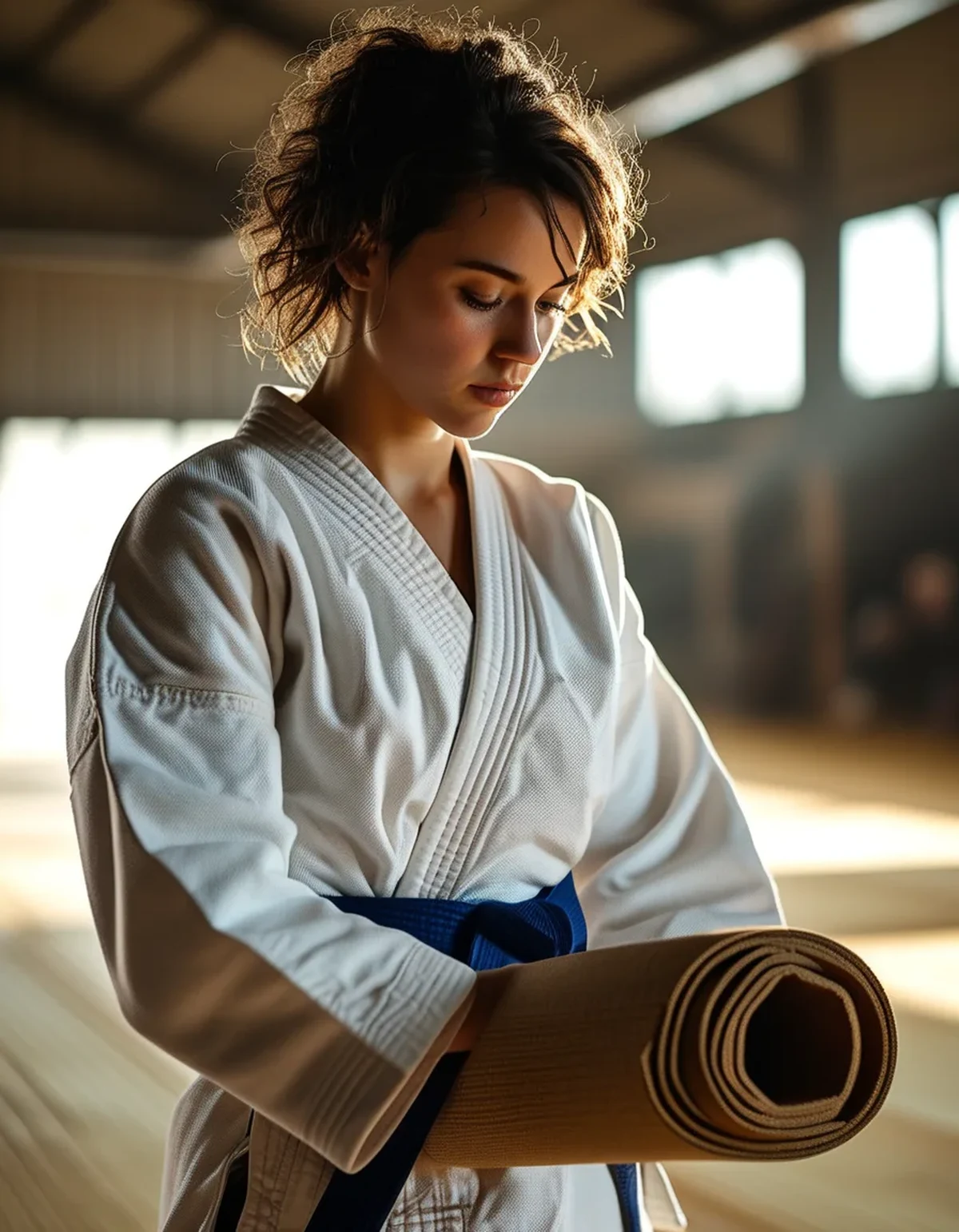
What should you actually look for on your skin?
Do a quick check after each shower, paying attention to the places you cannot easily see - upper back, shoulders, back of the neck, and hairline.
Ringworm typically appears as a round or oval patch with a raised, scaly edge and a clearer center. It is fungal, not a worm, and it is the most common mat infection in grappling.
Impetigo shows as red sores that ooze and form a honey-colored crust, often around the nose and mouth. Bacterial and highly contagious.
Staph infections can look like a pimple or boil that is red, warm, swollen, and tender, sometimes with pus. Any rapidly spreading redness, a red streak moving away from a wound, or fever alongside a skin lesion needs same-day medical attention.
Herpes gladiatorum appears as a cluster of small blisters, often on the face, neck, or arms, sometimes with a tingling or burning sensation first.
The rule that protects everyone: anything new, spreading, or unexplained means off the mats until a professional has looked at it. This is general information, not medical advice - see a doctor for diagnosis and treatment of any suspected skin infection.
What can the gym do that you cannot?
It is worth knowing what to expect from a well-run academy, both to appreciate a good one and to recognize a bad one.
Mats cleaned before and after every session with an appropriate disinfectant, and a documented cleaning schedule.
Airflow and dehumidification. A room that never dries out will keep producing problems regardless of chemical cleaning.
A clear no-train policy for active skin infections, applied to everyone including instructors and the most senior students. A gym that quietly lets someone train through ringworm is telling you something about how they will handle it when it is you.
No shoes on the mat, no bare feet off it. The simplest and most reliably ignored rule in the sport.
A visible reporting norm so that someone who develops something tells the coach rather than hiding it. That norm is cultural rather than procedural, and it is the difference between one case and eleven.

FAQ: Mat Hygiene Questions, Answered
How soon after training should I shower?
As soon as practical, ideally within 30 minutes. If the gym has showers, use them - the drive home is the window where most preventable transmission becomes established.
Do I need a special detergent for my gi?
No. Normal detergent and a full wash cycle is fine. What matters is washing after every session and drying completely - vinegar and specialty additives are optional at best.
How long do I have to stay off the mats with ringworm?
Follow your doctor’s guidance. Common practice is treatment for a period and staying off until lesions are healed - typically at least 72 hours of treatment and often longer. Returning early is how it comes back through the whole gym in a month.
TL;DR:
- Late summer combines heat, humidity, and full classes into the year’s highest-risk window.
- Shower within 30 minutes, wash your gi after every session, and empty the gear bag the same day.
- Cover any break in the skin before class, and stay off the mats entirely with an active infection.
- Learn what ringworm, impetigo, and staph look like, and check the spots you cannot easily see.
None of this is complicated and all of it is boring, which is why it lapses in exactly the weeks it matters most. Fix the gear bag and the shower timing this week and you will get through the end of summer without the group text nobody wants to receive.
Keep Reading
This article is for general informational and styling purposes only. Fit, sizing, and product availability may vary.