Your First BJJ Class: What Women Should Actually Expect
Quick Answer: A first BJJ class is a warm-up, a technique taught step by step with a partner, and slow cooperative drilling. Good gyms do not throw beginners into live sparring. Wear leggings and a fitted shirt, bring flip-flops for off the mat, trim your nails, and visit to watch a class before signing anything. The whole barrier is booking the trial.
Brazilian jiu-jitsu was literally engineered so a smaller person could handle a bigger one.
Then it somehow acquired a reputation as intimidating — for exactly the people it was designed for.
Time to correct the briefing. Here’s what actually happens in class one, and how to pick a gym that deserves you.
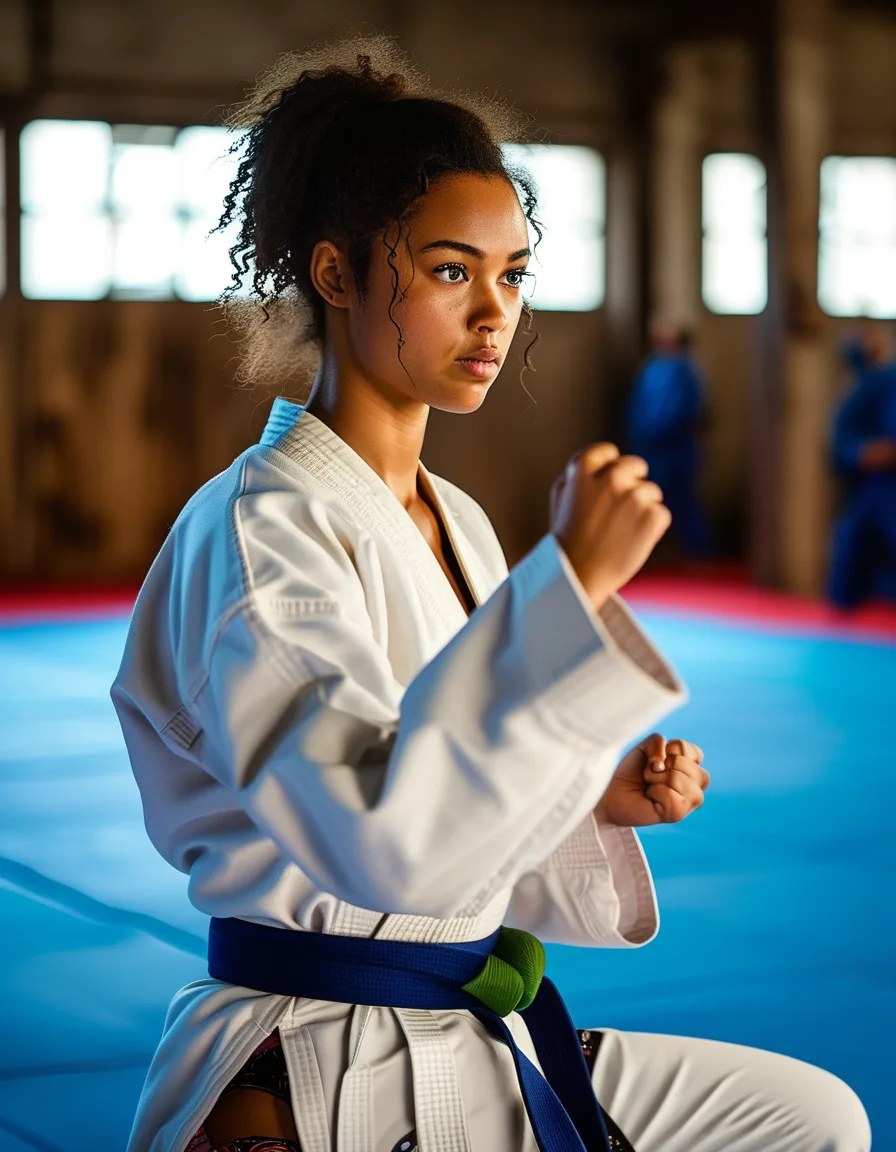
What Actually Happens in Your First BJJ Class?
The honest, unglamorous itinerary:
Warm-up (10–15 minutes). Jogging, shrimping (a sideways hip-escape movement across the mat), bridging, forward and backward rolls. Shrimping feels ridiculous the first time and is somehow the sport’s single most fundamental skill. Everyone looked absurd doing it in week one.
Technique (20–30 minutes). The instructor demonstrates one position or escape, breaks it into steps, and then you practice it with a partner. Slowly. They’ll pair you with someone experienced who’s expected to help you, not test you.
Drilling (15–20 minutes). Repeating the same move cooperatively. Your partner isn’t resisting. You’re building the movement pattern.
Live rolling (optional, often skipped for beginners). At most reputable gyms, beginners are not thrown into sparring on day one. You drill until the movements make sense — usually a few weeks in. If a gym does put you straight into live rounds against strangers, that’s information about the gym.
Nobody expects you to know anything. White belts are the most protected population in a well-run academy, and every single person on that mat was catastrophically bad at this once.
How Do You Choose a Good BJJ Gym?
Visit and watch before you commit. Four things to look for:
1. They welcome you watching a class. Good gyms are relaxed about this. A hard sell, a pressure to sign a 12-month contract on the spot, or reluctance to let you observe is data — treat it as such.
2. Women on the mat. Some is great. Zero isn’t automatically disqualifying, especially at a small gym, but it’s worth asking why. “We’ve never had many” is a different answer from “they don’t stay.”
3. How upper belts treat beginners during rounds. This is the single most revealing thing you can observe. Controlled, teaching, letting the newer person work = green flag. Spazzy, dominating, using strength to smash a white belt = leave. A brown belt going 100% on a beginner is a gym culture problem, not a training style.
4. Hygiene standards. Mats cleaned daily, nails trimmed, gis washed. Grappling is close-quarters, and skin infections are the real occupational hazard. Good gyms treat cleanliness as technique.
One more: ask about the beginners’ or fundamentals class. A separate beginner track is a strong sign that the gym takes new people seriously.
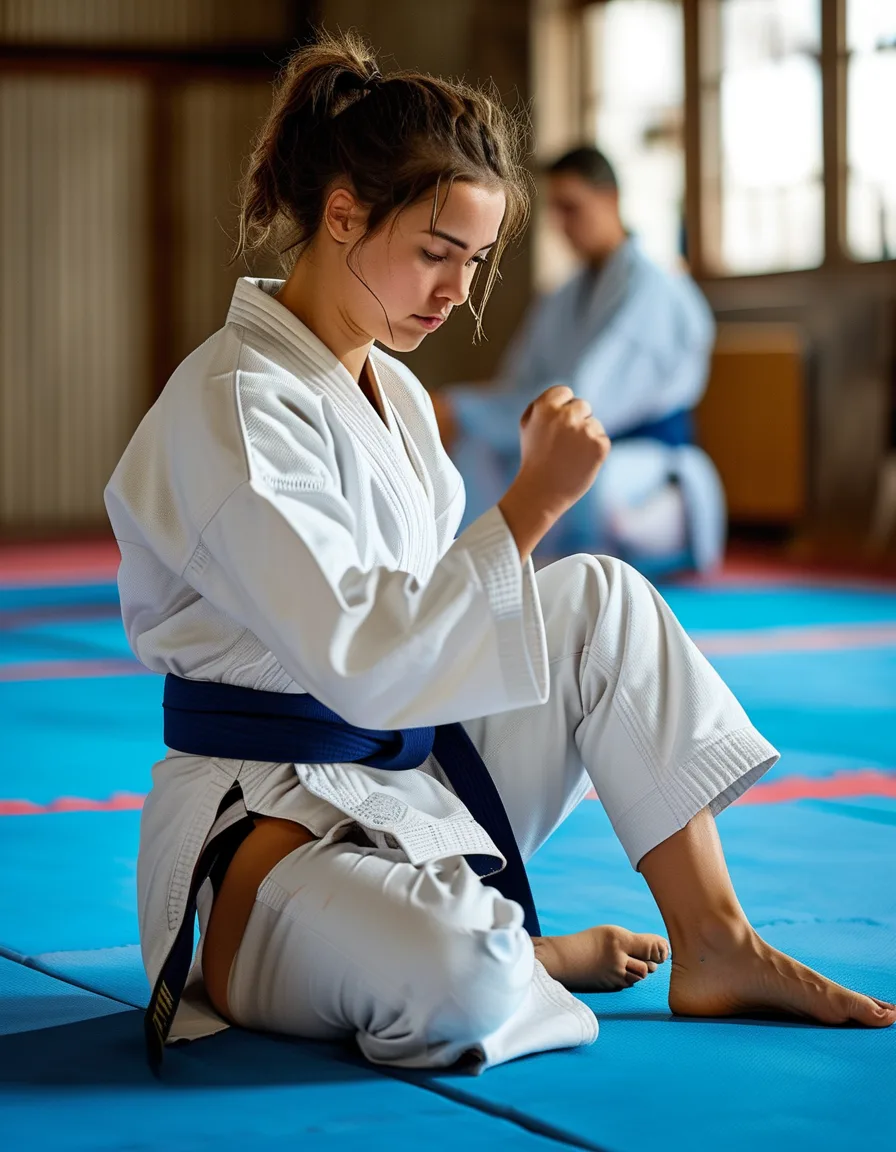
Why Is BJJ Good for Smaller People?
Because that’s the founding premise of the entire art, not a marketing angle applied later.
BJJ’s origin story is leverage over strength: using frames, angles, position, and timing so a smaller grappler can control and submit a larger one. The techniques were specifically developed by and for people who couldn’t win a strength contest.
What that means practically: a technically-skilled 130-pound person can routinely control an untrained 200-pound person. Not always, not against a trained larger opponent — but the gap that technique closes is genuinely enormous, and larger than in almost any other physical discipline.
This is why BJJ consistently tops practical self-defense recommendations for women. Most real physical altercations end up close-range and often on the ground, which is precisely the domain BJJ specializes in.
The skills are testable, too. That’s the unusual part. Within a few months you’ll handle positions that would have been pure panic before, and you’ll know it works because you did it against someone actively resisting.
What Nobody Tells You About Starting BJJ
- You will be sore in places that don’t have names. Grip, core, hips, neck, the muscles between your ribs. It passes within a few weeks. The first month is the worst it ever gets.
- Everyone taps constantly, including black belts. Tapping is not losing. It’s the mechanism that makes it safe to practice dangerous techniques at full intensity. Tap early, tap often, train tomorrow.
- You’ll be terrible for longer than you expect, and that’s the actual curriculum. BJJ is one of the slowest martial arts to feel competent in. Blue belt typically takes 18 months to 3 years.
- The close physical contact is genuinely fine after about two sessions. This is the concern most women name before starting and almost nobody names afterward. It becomes clinical fast, the way physical therapy does.
- The hook isn’t fitness — it’s the problem-solving. Live grappling is physical chess. The day your first escape works against real resistance is the day you understand why nobody at the gym can stop talking about jiu-jitsu. This is the one that surprises everyone.
What Should You Wear and Bring?
For a trial class (usually no-gi):
- Leggings or fitted shorts without pockets, zips, or drawstrings — anything that can catch a finger is a hazard for both of you
- A fitted athletic top or rash guard. Loose t-shirts get grabbed, ride up, and get in the way
- A sports bra with no exposed metal clasps
- Flip-flops for walking off the mat (never walk barefoot to the bathroom — this is the biggest hygiene rule in the sport)
Before you go: trim your fingernails and toenails short. Remove all jewelry and earrings. Tie long hair back securely — a braid or a bun that won’t come loose.
Bring: water, a towel, and a change of clothes.
You don’t need a gi for a first class. Most gyms lend one if the class requires it, and buying one before you know you’ll continue is a $120 gamble.
That’s the whole barrier. Book the trial class.
Frequently Asked Questions
Do you need to be fit before starting BJJ?
No. BJJ builds its own conditioning, and arriving unfit is completely normal — a large share of white belts start specifically because they want to get fit. Expect to be badly out of breath for the first month regardless of your current cardio, because grappling conditioning is quite specific.
Is BJJ safe for women training with men?
At a well-run gym, yes. Size and strength differences are managed through technique, and upper belts are expected to control intensity with smaller or newer partners. The safety variable is gym culture, not the sport itself — which is exactly why watching a class before joining matters so much.
How long does it take to get a blue belt in BJJ?
Typically 18 months to 3 years of consistent training, at 2–3 sessions a week. BJJ promotes slowly compared to most martial arts, and the blue belt genuinely represents functional competence rather than attendance.
What’s the difference between gi and no-gi BJJ?
Gi training uses the traditional uniform, and grips on the fabric open up a wider range of techniques. No-gi is done in rash guards and shorts, moves faster, and relies on body grips. Most people train both; beginners often find no-gi more immediately intuitive and gi better for learning precise control.
When to Check With a Professional
Talk to your doctor before starting if you have a history of neck or spinal injury, a shoulder or knee that dislocates, uncontrolled high blood pressure, or you’re pregnant. Grappling involves joint loading and positional pressure that some conditions don’t tolerate well.
On the mat: any joint pain that’s sharp rather than muscular, and any skin lesion or rash, should be addressed before your next session. Skin infections spread fast in grappling gyms, and covering it up rather than treating it is how a small problem becomes a gym-wide one.
TL;DR:
- Class one is a warm-up, step-by-step technique with a partner, and slow cooperative drilling. Good gyms don’t spar beginners.
- Vet the gym: can you watch a class, are there women training, how do upper belts treat white belts, are the mats clean.
- BJJ was built on leverage over strength — it’s genuinely designed for the smaller person.
- Wear leggings and a fitted top with no pockets or zips, bring flip-flops, trim your nails, tie your hair back.
- Tap early and often, expect a rough first month, and know the real hook is the problem-solving, not the fitness.
Keep Reading
This article is for general informational and styling purposes only. Fit, sizing, and product availability may vary.